Retinol (Vitamin A) – Skincare Essential
Medically Reviewed | Updated Insight
What is Retinol?
Retinol is a form of Vitamin A widely used in skincare products like creams, serums, and lotions. It’s known for its anti-aging and acne-fighting benefits.
It is a topical treatment, meaning you apply it directly to your skin.
What Does Retinol Do?
Retinol works deep within your skin to:
- Boost skin cell turnover
- Unclog pores and reduce acne
- Stimulate collagen production
- Smooth fine lines and wrinkles
- Improve skin texture and brightness
Result: Smoother, clearer, and more youthful-looking skin
What Can Retinol Treat?
Retinol is effective for:
- Acne & breakouts – prevents clogged pores
- Acne scars – reduces inflammation and marks
- Dark spots (hyperpigmentation) – evens skin tone
- Large pores – refines and tightens appearance
- Wrinkles & fine lines – improves elasticity
- Stretch marks – makes them less visible
How Long Does It Take to Work?
- Starts working immediately at a cellular level
- Visible results appear after 4–8 weeks
- Skin may look worse initially (“retinol purge”) before improving
Possible Side Effects
When starting retinol, you may experience:
- Dryness
- Redness
- Peeling or flaking
- Mild irritation
These effects are temporary and improve as your skin adjusts.
How to Use Retinol Safely
- Start slow – 2–3 times per week
- Apply a pea-sized amount at night
- Use on clean, dry skin
- Follow with a moisturizer
- Always apply sunscreen (SPF 30+) during the day
Important Tips
- Retinol makes your skin more sensitive to sunlight
- Avoid mixing with harsh products (like strong acids) at the start
- Do a patch test before full use
Is Retinol Right for You?
Retinol is great for most skin types, but:
- If you have very sensitive skin, start with low strength
- If pregnant or breastfeeding, consult a professional first
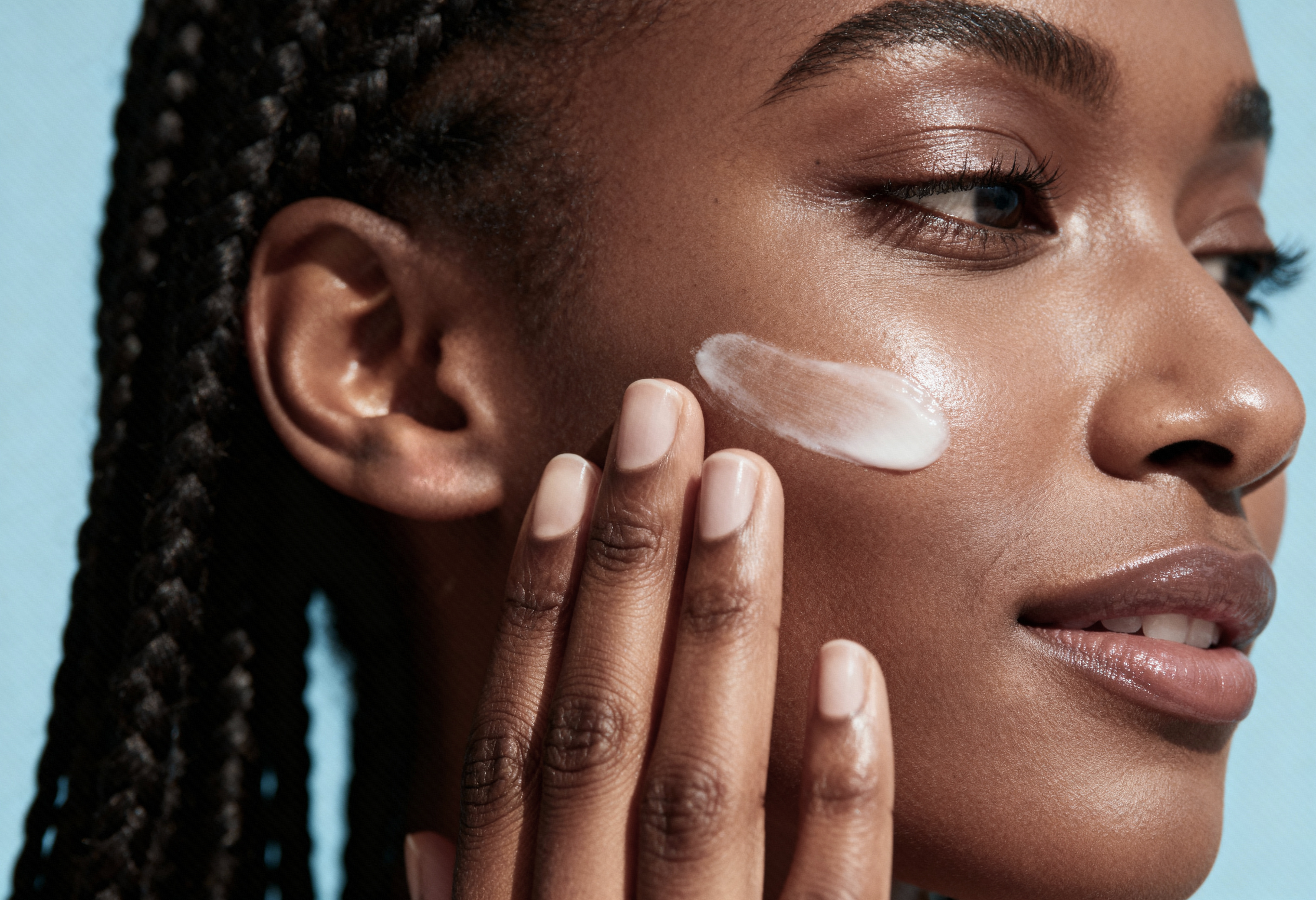
Retinol (Vitamin A) – Skincare Essential
Retinol is a form of Vitamin A widely used in skincare products like creams, serums, and lotions. It
Skincare that works while you make your coffee.
Start your morning right with skincare.

Your Glow Guide !
How to use your new serum for the best results!
When to Apply Retinal and Vitamin C
Apply Vitamin C in the morning to protect against environmental damage and retinol at night to promo

11 Best-Kept Beauty Secrets for Mature Skin, According to Dermatologists
These pro tips will help your skin look firmer, healthier and more radiant at any age. Aging is a n
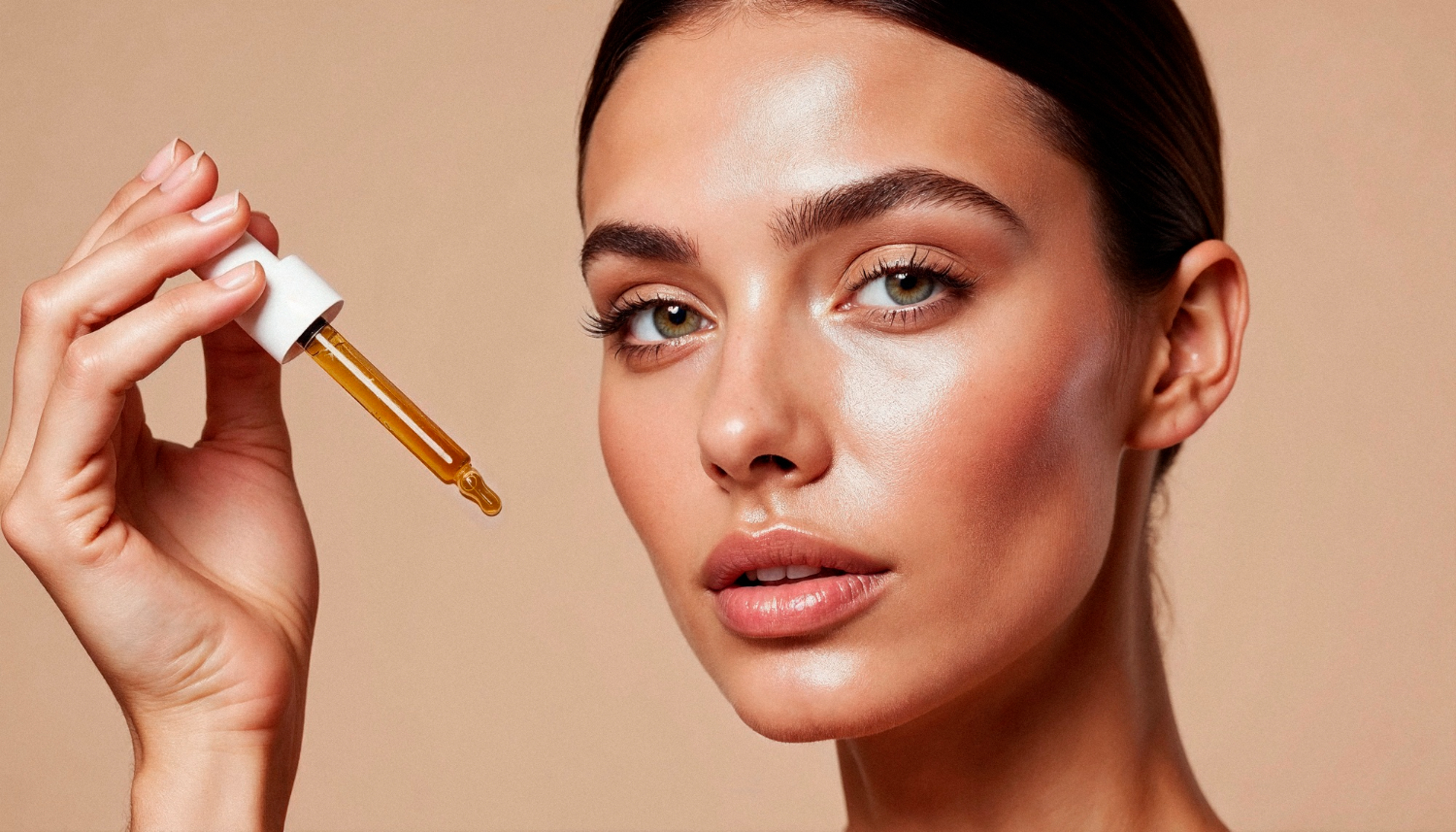
How to Use Retinol Serum for Glowing and Youthful Skin (Complete Guide)
What is Retinol and Why is it Important for Skin?
 Create an account