How to Use Retinol Serum for Glowing and Youthful Skin (Complete Guide)
Retinol has become one of the most powerful and popular skincare ingredients in the beauty industry. If you're searching for ways to reduce wrinkles, brighten dull skin, fade dark spots, or treat acne, a retinol serum could be the solution your skin needs.
In this guide, we’ll explain how to use retinol serum correctly, its benefits, and how to add it to your skincare routine for glowing and youthful skin.
What is Retinol and Why is it Important for Skin?
Retinol is a Vitamin A derivative widely used in dermatology for improving skin texture and reducing signs of aging.
It works by increasing cell turnover and collagen production, which helps renew the skin and improve its overall appearance.
Key benefits of retinol include:
Reduces fine lines and wrinkles
Improves skin texture and smoothness
Fades dark spots and hyperpigmentation
Clears acne and clogged pores
Boosts skin radiance and glow
Because of these powerful benefits, retinol is often considered a must-have anti-aging skincare ingredient.
How to Use Retinol Serum Correctly
Using retinol the right way is important to avoid irritation and get the best results.
1. Start Slowly
If you're new to retinol, start by applying it 2–3 times per week at night.
Your skin needs time to adjust to this powerful ingredient.
Once your skin builds tolerance, you can gradually increase the frequency.
Tip: Sensitive skin users should start with a lower concentration retinol serum.
2. Apply on Clean, Dry Skin
Always apply retinol after cleansing your face.
Steps:
Wash your face with a gentle cleanser
Pat your skin completely dry
Apply a pea-sized amount of retinol serum
Gently spread it over your face and neck, avoiding the eye area.
3. Use Moisturizer After Retinol
Retinol can sometimes cause dryness or peeling, especially in the beginning.
Applying a hydrating moisturizer after retinol helps protect the skin barrier and prevent irritation.
This step is essential for maintaining healthy, balanced skin.
4. Always Wear Sunscreen
Retinol makes your skin more sensitive to sunlight.
Therefore, using sunscreen daily is critical.
Apply SPF 30 or SPF 50 sunscreen every morning to protect your skin from UV damage.
Without sunscreen, retinol can actually make your skin more vulnerable to sun damage.
Best Skincare Routine with Retinol
For the best results, retinol should be used as part of a balanced skincare routine.
Morning Routine
Gentle cleanser
Vitamin C serum
Moisturizer
Sunscreen (SPF 30 or higher)
Vitamin C protects the skin from pollution, UV damage, and free radicals, while also brightening the complexion.
Night Routine
Cleanser
Retinol serum
Hydrating moisturizer
Retinol works overnight to repair skin cells and stimulate collagen production.
Consistency is the key to seeing visible results.
Retinol Serum Benefits for Skin
Reduces Wrinkles and Fine Lines
Retinol stimulates collagen production, which helps keep skin firm and youthful.
Over time, this reduces visible signs of aging.
Improves Skin Tone
Retinol helps fade dark spots, sun damage, and pigmentation, creating a more even complexion.
Treats Acne and Breakouts
Retinol unclogs pores and prevents buildup of oil and dead skin cells, making it effective for acne-prone skin.
Boosts Skin Glow
By increasing cell turnover, retinol removes dull, dead skin cells and reveals brighter, smoother skin underneath.
Can You Use Retinol with Vitamin C?
Yes, but they should be used at different times of the day.
Morning: Vitamin C serum
Night: Retinol serum
This combination creates a powerful skincare routine that protects, repairs, and brightens the skin.
Common Mistakes When Using Retinol
Avoid these mistakes to protect your skin:
Using too much retinol
Applying retinol every night when starting
Skipping moisturizer
Not wearing sunscreen
Mixing retinol with strong exfoliating acids
Being patient and consistent will help you see the best results.
How Long Does Retinol Take to Work?
Retinol does not give instant results. Skin renewal takes time.
Typical timeline:
2–4 weeks: Skin begins adjusting
4–8 weeks: Skin texture improves
3–6 months: Visible anti-aging benefits appear
Regular use leads to long-term improvements in skin health and appearance.
Final Thoughts
Retinol is one of the most effective ingredients for achieving glowing, youthful skin. When used correctly, it can transform your skin by reducing wrinkles, fading dark spots, and improving overall skin texture.
The key to success with retinol is starting slowly, staying consistent, and always protecting your skin with sunscreen.
If you're looking to upgrade your skincare routine, adding a retinol serum could be one of the best decisions for healthier, brighter skin.
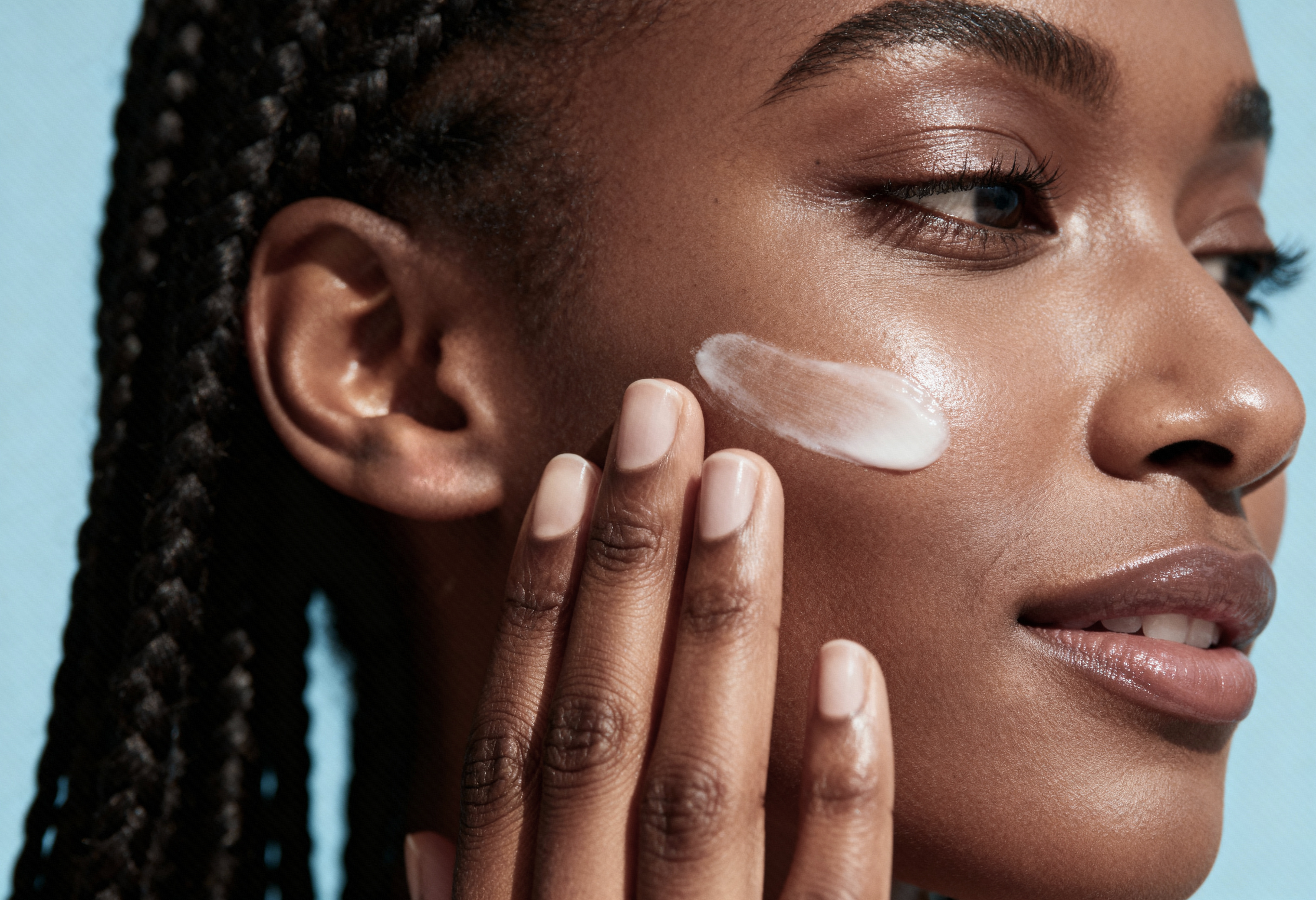
Retinol (Vitamin A) – Skincare Essential
Retinol is a form of Vitamin A widely used in skincare products like creams, serums, and lotions. It
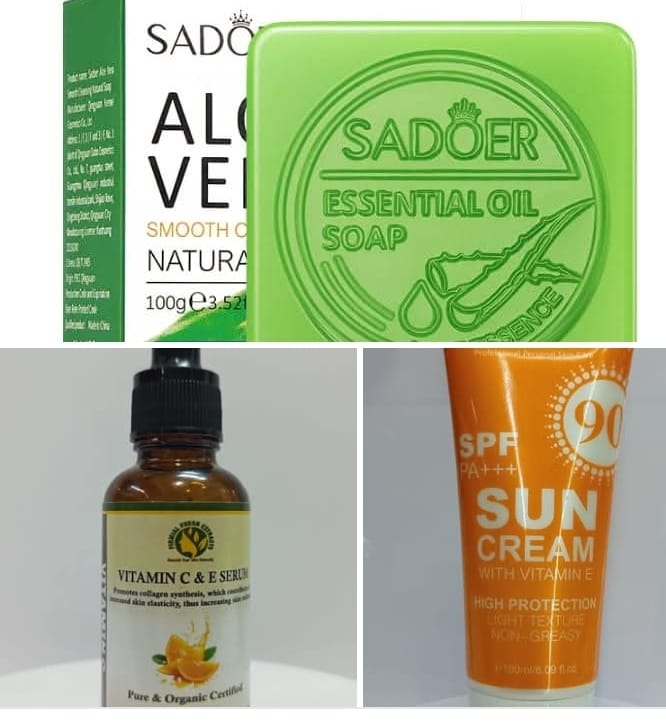
Skincare that works while you make your coffee.
Start your morning right with skincare.
Your Glow Guide !
How to use your new serum for the best results!
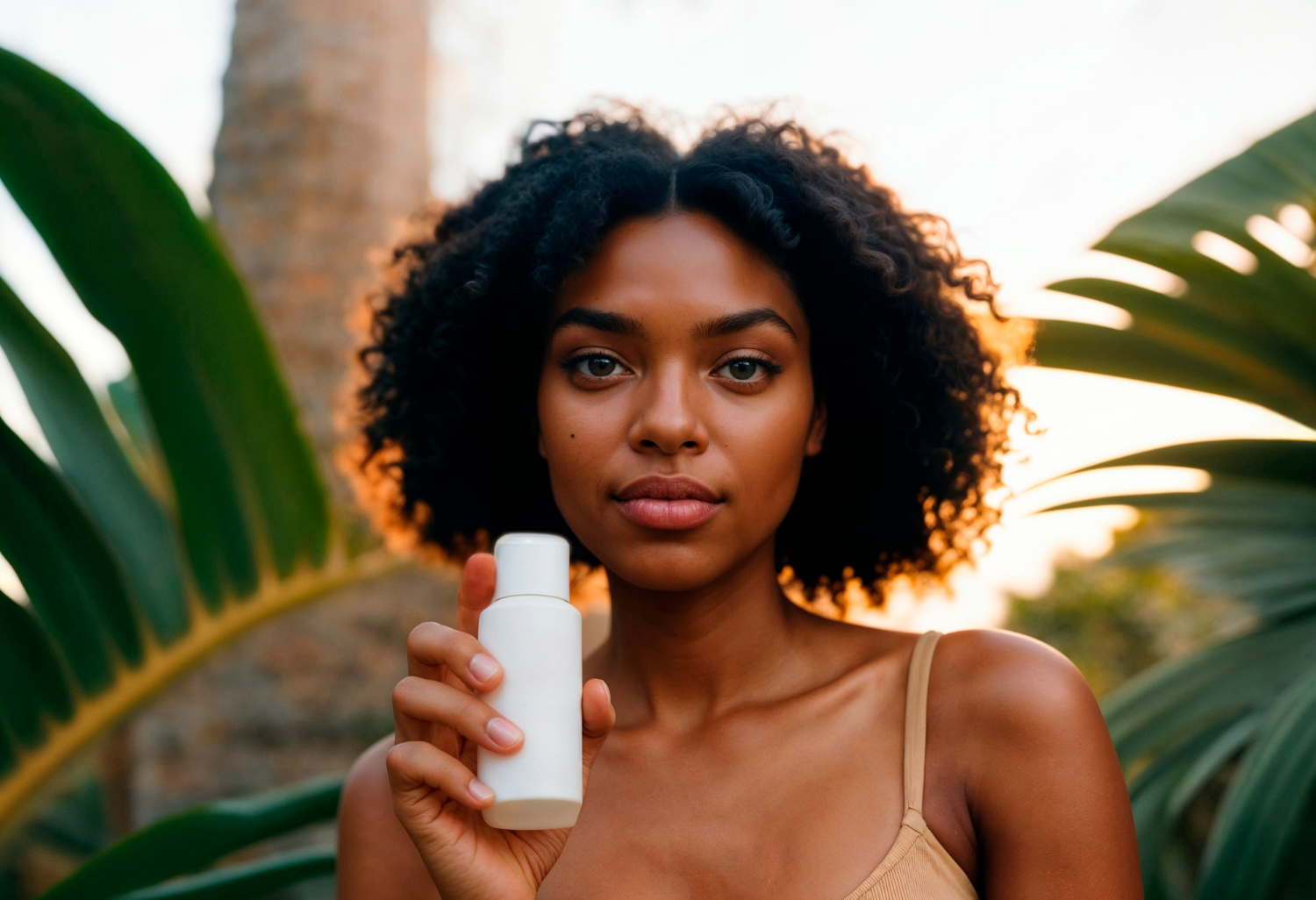
When to Apply Retinal and Vitamin C
Apply Vitamin C in the morning to protect against environmental damage and retinol at night to promo

11 Best-Kept Beauty Secrets for Mature Skin, According to Dermatologists
These pro tips will help your skin look firmer, healthier and more radiant at any age. Aging is a n
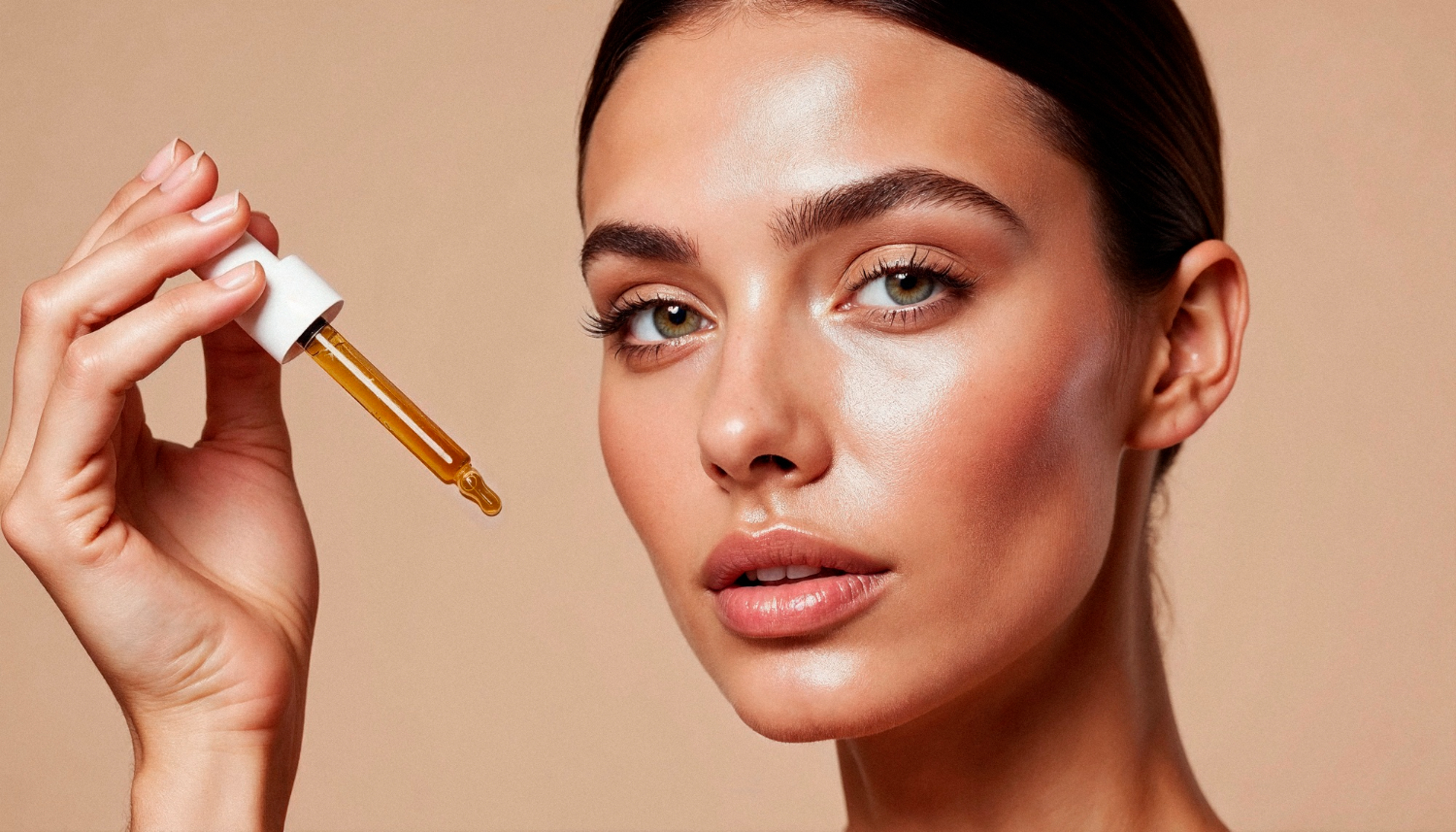
How to Use Retinol Serum for Glowing and Youthful Skin (Complete Guide)
What is Retinol and Why is it Important for Skin?
 Create an account