11 Best-Kept Beauty Secrets for Mature Skin, According to Dermatologists
These pro tips will help your skin look firmer, healthier and more radiant at any age.
Aging is a natural, beautiful, and worth celebrating process, but it also brings visible changes to the skin. As collagen and elastin break down and natural oils decrease, fine lines, sagging and dryness become more common. The good news is there’s a way to age gracefully. With the right habits and dermatologist-approved strategies, you can help your skin stay healthy, radiant, and resilient at any age.
1. Prioritize Daily Sun Protection
Sunscreen isn’t just for the beach. It’s your anti-aging shield. “The single most effective step for any skin, but especially mature skin, is wearing sunscreen every day,” says Gupta. “Ultraviolet light is known to accelerate collagen breakdown and uneven pigmentation, so regular use prevents further damage and maintains skin quality. Over time, people who apply sunscreen daily notice fewer fine lines, less sagging, and a more even skin tone than those who don’t.”
2. Embrace Retinol Consistently (But Start Slow)
Retinoid remain the gold standard for minimizing fine lines and stimulating collagen production. “[This class of compounds derived from vitamin A] has been scientifically proven to encourage collagen production, speed up cell turnover, and improve skin texture,” says Gupta. “For mature skin, this translates to smoother tone, reduced fine lines, and a healthier glow. You do need to start slowly, building up the skin’s tolerance. This means that results are gradual, usually visible after 12 weeks, but continued use helps maintain the skin’s appearance.”
3. Drink Water Because Hydration Is the Anti-Aging Unsung Hero
According to Hartman, "Hydration is a bit of a 'cheat code' for mature skin. As we age, skin naturally loses elasticity and firmness. Dehydrated mature skin will appear more 'saggy' and wrinkled than skin that is hydrated.
First, by drinking plenty of water so skin gets hydrated from the inside out because it'll help promote cellular health, skin elasticity, and firmness.
Second, by adding moisture to your skin as part of your morning and evening skincare routines—either in the form of a hydrating serum or a moisturizer, so you’re adding hydration from the outside in.
4. Don’t Skip Moisturizer... Ever
Skipping moisturizer is a common mistake that can make skin look and feel drier, tighter, and more irritated. “As we age, the skin barrier weakens and produces less natural oil, which leads to dryness and irritation,” explains Gupta. “A good moisturizer replenishes hydration and keeps the barrier intact. While this doesn’t reduce wrinkles, it does help to soften their appearance and makes skin more comfortable.”
5. Exfoliate With Care
“Gentle chemical exfoliants, such as lactic acid or polyhydroxy acids, can lift away dull surface cells without damaging mature skin,” Gupta points out. “Over time, this improves radiance and helps other products, like moisturizers or retinoids, absorb more effectively.”
Regular exfoliation helps remove the buildup of dead cells that can leave mature skin looking dull. But scrubbing aggressively can backfire, causing redness or micro-tears. Instead, opt for gentle chemical exfoliants like glycolic or lactic acid once or twice a week. The payoff? Brighter, smoother skin that absorbs products more effectively.
6. Gentle Cleansing Is Key, Don’t Scrub Harshly
"You want to cleanse your skin gently as not to tug on the skin," Hartman explains. "Mature skin is thinner than younger skin and loses natural oils, making it more delicate. Pulling and tugging on the skin can cause sagging skin."
In other words, scrubbing harshly can cause microtears in the skin’s surface that can then trigger the body’s immune response, which can then lead to irritation, redness and hyperpigmentation. Hartman suggests a gentle cleanse with upward motions—that's all the skin needs to effectively clean the surface.
Over-cleansing or using harsh, foaming washes can strip mature skin of its essential oils. So, try a cream or balm cleanser, which won't disrupt the skin barrier, but will still leave it soft and balanced. Your goal: clean skin that feels comfortable, not tight or squeaky.
7. Consider In-Office Treatments for Collagen Support
It’s important to note that topical skincare has limits. If you’re looking to improve firmness and texture more dramatically, dermatologists may recommend in-office procedures such as micro-needling, fractional lasers, or ultrasound-based treatments. These stimulate collagen and elastin at a deeper level, with results that creams alone can’t match. “Non-surgical treatments help to stimulate new collagen production, improving firmness and fine lines,” Gupta explains. “These are safe, well-established treatments when performed by a qualified expert.”
8. Target Pigmentation with Vitamin C
Dark spots and uneven tone are common as skin ages. A vitamin C serum applied in the morning not only brightens pigmentation but also neutralizes free radicals caused by UV light and pollution.
9. Don’t Neglect Your Neck and Hands
Many people focus on their face but forget areas that can show age even more quickly. Apply your sunscreen, moisturizer, and treatments down your neck, chest, and onto the backs of your hands.
10. Sleep on Silk or Satin Pillowcases
That “sleep crease” you notice in the morning can deepen into a wrinkle over time. Switching to silk or satin pillowcases (especially if you’re a side or stomach sleeper) can reduce friction and minimize pulling on delicate skin overnight. According to Hartman, that means you’ll get less tugging when your face moves against the fabric. These smoother fabrics also absorb less moisture than cotton.
11. Focus on Your Lifestyle, Not Just Skincare
Skincare products are powerful, but they’re only part of the picture. Quality sleep, a nutrient-rich diet, hydration, exercise, and stress management all influence how your skin looks and feels. A lifestyle that supports overall health translates into skin that glows from the inside out. Gupta also mentions that, “a good diet with plenty of plants, avoiding smoking, and limiting alcohol intake all help to protect collagen and reduce inflammation.”
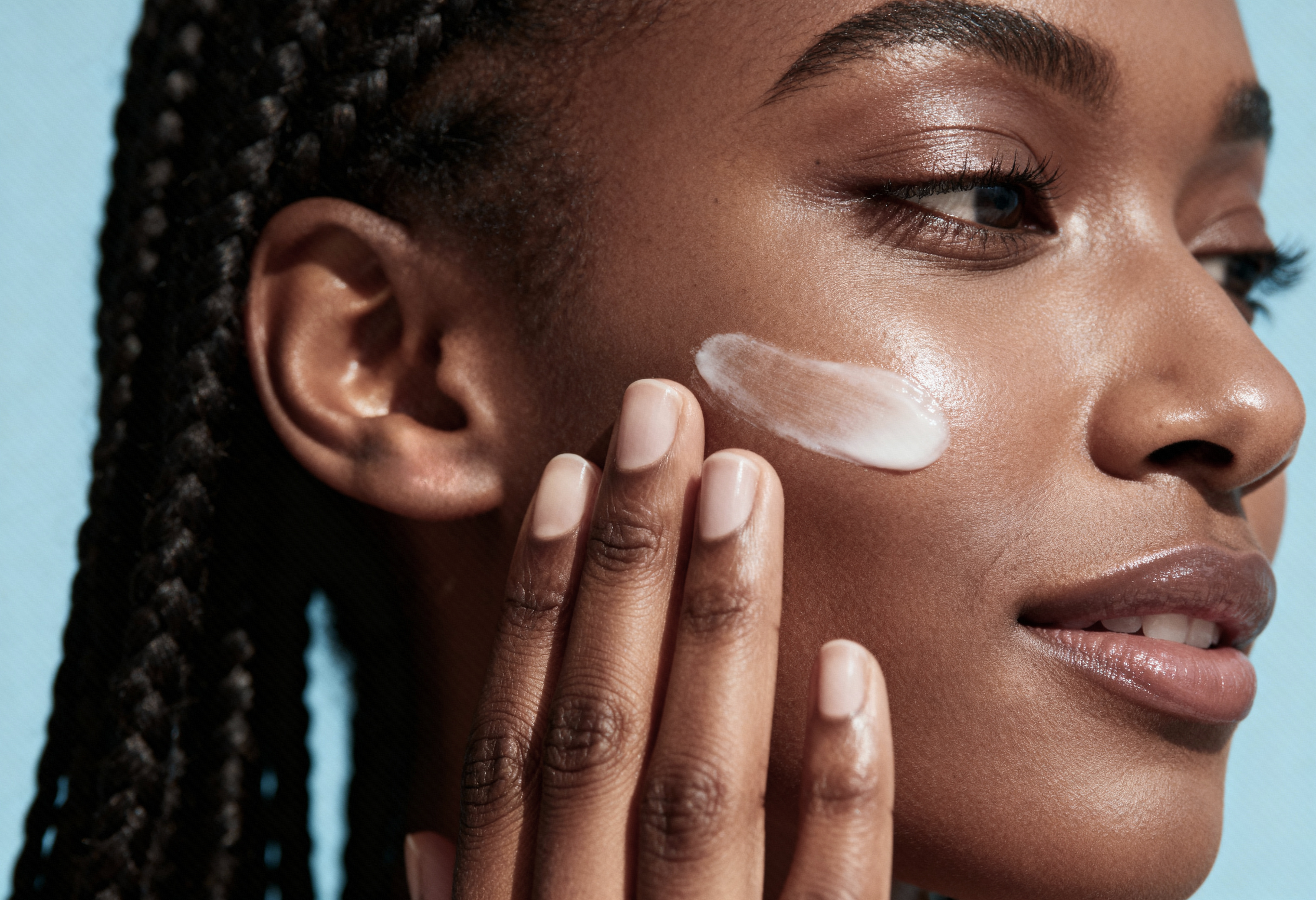
Retinol (Vitamin A) – Skincare Essential
Retinol is a form of Vitamin A widely used in skincare products like creams, serums, and lotions. It
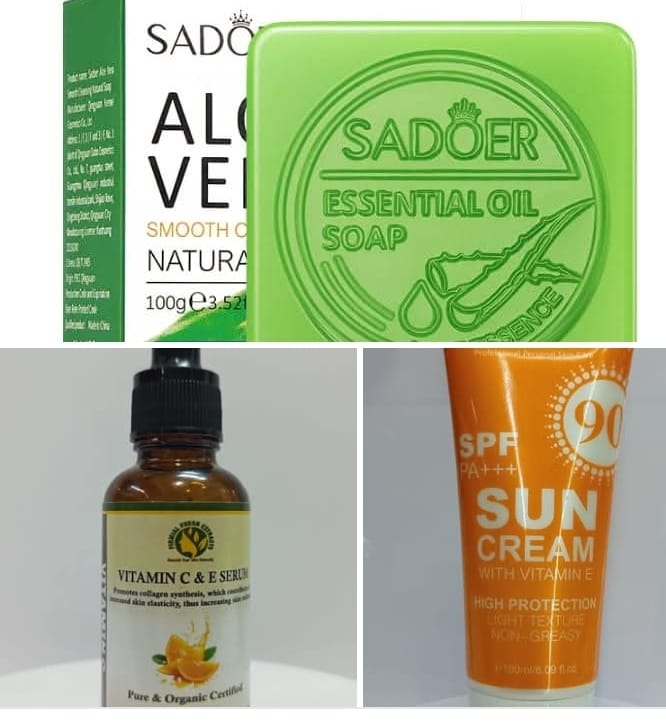
Skincare that works while you make your coffee.
Start your morning right with skincare.

Your Glow Guide !
How to use your new serum for the best results!
When to Apply Retinal and Vitamin C
Apply Vitamin C in the morning to protect against environmental damage and retinol at night to promo

11 Best-Kept Beauty Secrets for Mature Skin, According to Dermatologists
These pro tips will help your skin look firmer, healthier and more radiant at any age. Aging is a n
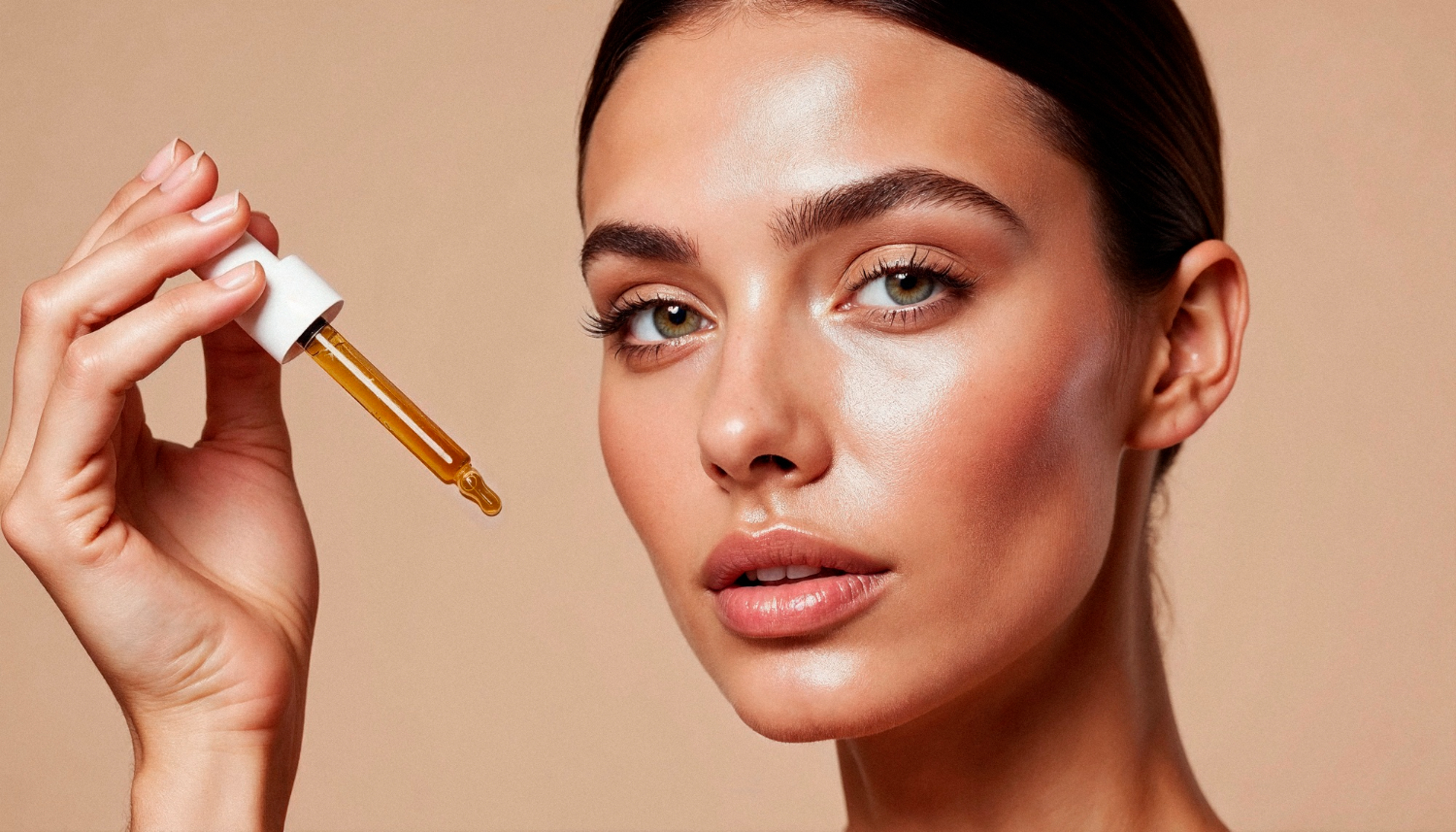
How to Use Retinol Serum for Glowing and Youthful Skin (Complete Guide)
What is Retinol and Why is it Important for Skin?
 Create an account